Ultra-high-energy cosmic rays rank among the rarest phenomena in astrophysics: particles with energies exceeding 100 EeV (10²⁰ eV) reach Earth at a rate of roughly one particle per square kilometer per century. These extraordinary objects are of great scientific interest, as a single subatomic particle can carry energy comparable to that of familiar macroscopic objects—for instance, a tennis ball struck by a professional player.
To increase the likelihood of detecting these rare events, the FAST experiment has been developed. Using easily deployable fluorescence telescopes, FAST has the potential to cover vast areas and continuously collect data on these extremely energetic particles. FAST telescopes are already operating in both hemispheres in close collaboration with the world’s leading astroparticle observatories, Telescope Array and Pierre Auger. Telescopes located in the Southern Hemisphere are now transitioning to fully autonomous operation.

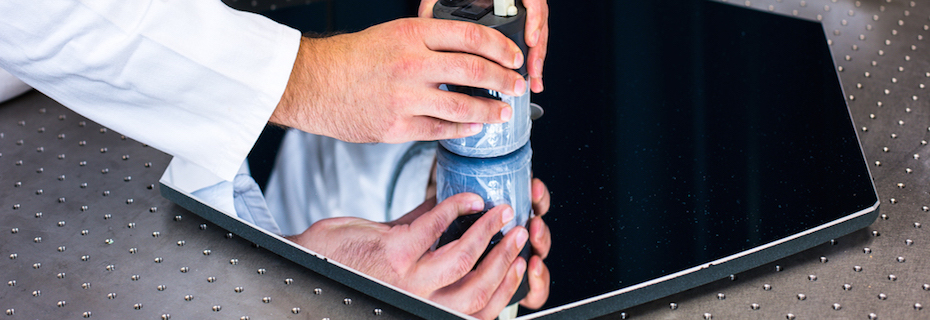
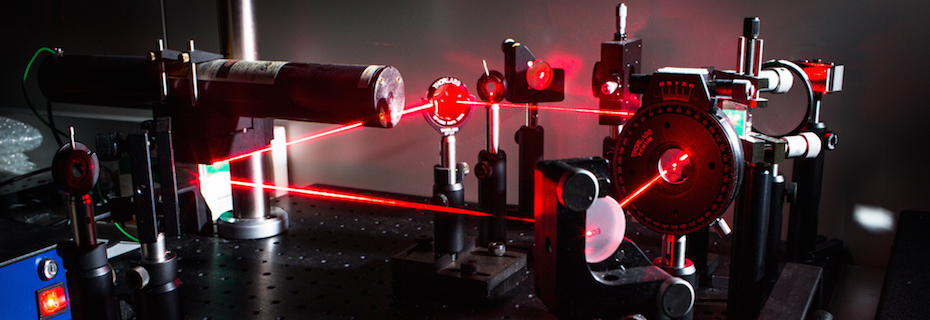








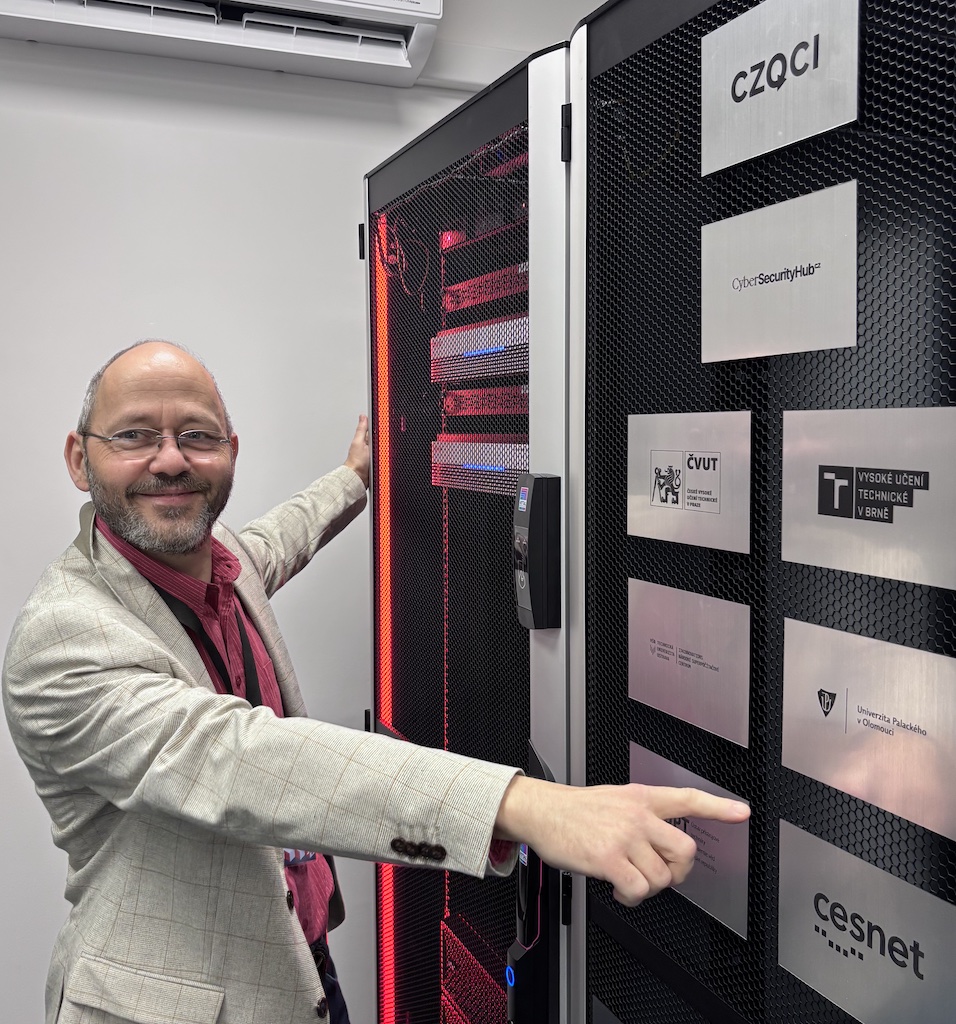 The Czech Republic is developing a quantum communication network. It can now rely on a complete backbone quantum network connecting Prague, Brno, and Ostrava, enabling the transmission of cryptographic keys based on the principles of quantum cryptography. This will allow secure communications for government institutions, banks, and private entities despite the growing risks associated with the increasing capabilities of quantum computers.