
Palacký University and the US Embassy in Prague have reaffirmed their commitment to further developing Czech-American relations. Palacký University Rector Michael Kohajda and Nicholas Barnett, Head of the Public Diplomacy Section at the US Embassy, have signed a new memorandum of cooperation for a further two years. The agreement primarily concerns the operation of the American Centre Olomouc and its educational and cultural activities.
The American Centre Olomouc is located on the premises of Palacký University on Vodární Street and forms part of the international American Spaces network. It creates an open space for education, meetings and dialogue, familiarises the Czech public with American society, culture and the education system, and contributes to mutual understanding between the two countries.
foto_sem_4
“The new memorandum builds on the previous agreement from 2024. Both institutions renew it regularly at two-year intervals, thereby confirming their long-term commitment to mutual cooperation, the sharing of experiences and the promotion of Czech-American relations. The agreement primarily defines cooperation in ensuring the operation of the American Centre Olomouc and the preparation of its programme,” summarised UP Vice-Rector Ivona Barešová, who also attended the signing of the memorandum. Also present were Vít Nejedlo, Director of the American Centre, which forms part of the US Embassy in Prague, and Lukáš Merz, Head of the American Centre in Olomouc.
Public lectures, discussions, information sessions and other educational and cultural events form an important part of the centre’s activities. Its programme is aimed not only at students and university staff, but also at schools and the general public from Olomouc and the wider region. All the centre’s services and activities are provided free of charge.
Another part of Nicholas Barnett’s visit to Palacký University was the launch of the ‘Leadership Matters’ course at the Student Club in Zbrojnice.
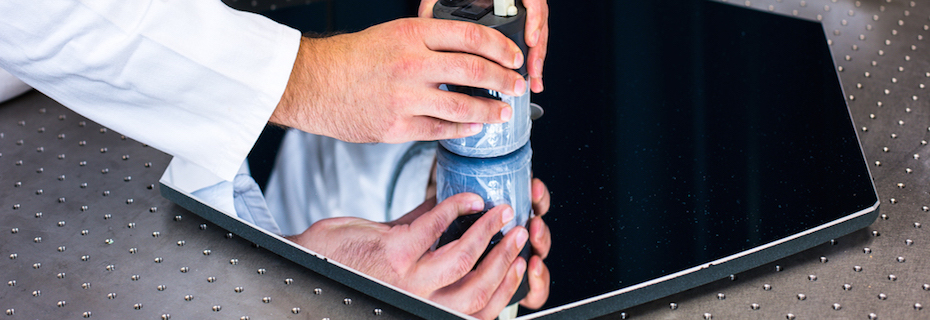
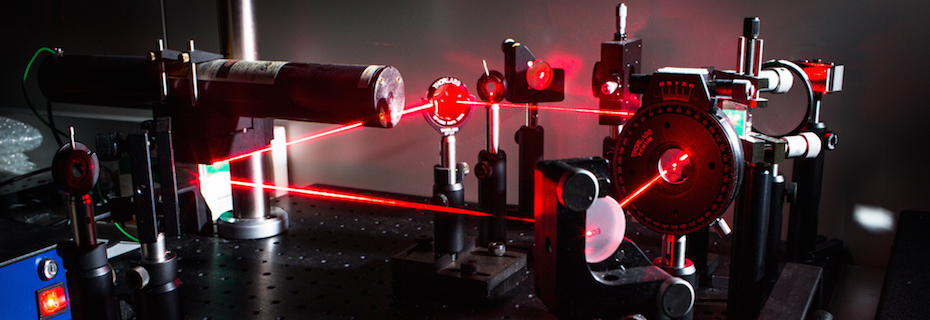
Physicists from the Joint Laboratory of Optics at Palacký University in Olomouc and the Institute of Physics of the Czech Academy of Sciences played a significant role in the construction of a new array of four large LST telescopes, which was officially commissioned at the Roque de los Muchachos Observatory on the Spanish island of La Palma. The Olomouc team is responsible for the optical components of the telescopes and is also involved in developing the methods and equipment that ensure their precise alignment and correct operation during observations. The telescope array will enable astronomers to monitor sources of high-energy gamma radiation with greater sensitivity and accuracy, including very distant and rapidly changing objects in the universe.
The four Large-Sized Telescopes form part of the Cherenkov Telescope Array Observatory (CTAO), currently under construction, which is set to become the largest and most powerful gamma-ray observatory in the world. The completion of their assembly represents an important step towards the observatory’s full scientific operation. The Czech group joined the international LST project in 2021. In addition to Palacký University and the Institute of Physics of the Czech Academy of Sciences, scientists from the Astronomical Institute of the Czech Academy of Sciences and the Faculty of Mathematics and Physics at Charles University are also involved.
“Czech experts are contributing to the construction of the observatory, the analysis of data, and its future operation and maintenance. Our Joint Laboratory of Optics plays a significant role in the project, being responsible for the optical components of the telescopes.” Ladislav Chytka“Czech experts are involved in the construction of the observatory, data analysis, and its future operation and maintenance. Our Joint Laboratory of Optics plays a significant role in the project, being responsible for the optical components of the telescopes. We are responsible for installing the individual components and developing methods and equipment that enable us to achieve and maintain high image quality over the long term,” said Ladislav Chytka from the Joint Optics Laboratory, deputy coordinator of the group responsible for the optical components of the telescopes.
Experts from Olomouc ensure the precise alignment of the mirrors
Each of the LST telescopes has a segmented primary mirror with a diameter of 23 metres, comprising 198 individual mirror segments. Their position must be adjusted very precisely during observations, as the telescope’s structure is affected by factors such as gravity and wind.
“An active control system is therefore used to ensure the optimal position of the mirror segments. The Joint Laboratory of Optics in Olomouc is playing a significant role in this part of the project. Image quality is crucial both for the sensitivity of the entire telescope and for the precise reconstruction of the energy and direction of incoming gamma particles,” said Dušan Mandát from the Joint Laboratory of Optics, who is a member of the governing body of the international LST consortium.
foto_sem_4
The LST telescopes are designed to detect very faint flashes of Cherenkov radiation, which are produced when high-energy gamma rays interact with the Earth’s atmosphere. In addition to a large mirror, each telescope is also equipped with an ultra-high-speed camera.
The instruments are most sensitive in the energy range from approximately 20 gigaelectronvolts to several teraelectronvolts. Thanks to their low energy threshold, scientists can observe even very distant sources of gamma radiation and monitor rapidly changing cosmic phenomena.
Four telescopes will enable more sensitive observations of the universe
The first of the telescopes, LST-1, has been operating on La Palma for several years. During its trial operation, it has succeeded in observing, for example, pulsars, active galactic nuclei and transient phenomena, including novae and gamma-ray bursts.
With the completion of the LST-2, LST-3 and LST-4 telescopes, a system of four instruments has now been established. Simultaneous observations of the same particle shower from several different locations will make it possible to increase the sensitivity of the measurements, improve the angular resolution and determine the energy of the original gamma-ray particle more accurately.
“The completion of the LST telescope array is the culmination of more than fifteen years of international collaboration and technological innovation. These telescopes will enable us to study some of the most extreme environments in the universe, including supermassive black holes and neutron stars, to search for the possible origin of cosmic rays, and to investigate the nature of dark matter,” said Masahiro Teshima, principal investigator of the LST Collaboration and spokesperson for the CTAO Consortium.
CTAO will open up new possibilities for space research
The LST array will form part of the northern section of the CTAO observatory on the island of La Palma. Thanks to its high sensitivity to lower-energy gamma rays, it will enable scientists to study very distant objects and look back to a time when the universe was less than two billion years old.
“The completion of the LST telescope array is the culmination of more than fifteen years of international collaboration and technological innovation.” Masahiro Teshima
In future, the CTAO is set to comprise more than 60 telescopes of three different sizes, distributed across two sites. The northern section is being built on La Palma, whilst the southern section is being constructed at the Paranal Observatory in Chile’s Atacama Desert. The combination of different types of telescopes will enable the observation of gamma-ray radiation across an exceptionally wide energy range, from approximately 20 GeV to 300 TeV.
Research will focus, for example, on the origin of cosmic rays, the physics of black holes and neutron stars, and the search for dark matter. The CTAO will also be the first observatory of its kind in the field of gamma-ray astronomy to offer public access to high-level scientific data and software tools.
Science you can colour in. This is precisely the purpose of the new CATRIN colouring books, which are yet another way of bringing the science from CATRIN, Palacký University to the youngest audience. The colouring book, which was launched at this year’s Researchers’ Night, was created in collaboration with Patrick Trouillas, the author of the CATRIN science comics.
“When I was offered the chance to illustrate a colouring book featuring Begonia and Herman, I didn’t hesitate for a second. Although it involved a fairly large amount of work that needed to be completed in a relatively short time, I threw myself into the project like a child. I really enjoyed it,” revealed Trouillas, who works at CATRIN in the Carbon Nanostructures, Biomolecules and Simulations research group.
CATRIN colouring book, subtitled ‘Herman and Begonia on a Journey to Discovery’, introduce children to some research topics, explaining why each particular area of research is important. They will learn why it is necessary to combat dangerous bacteria, why an experiment from CATRIN is going into space, and, for example, that sensors are like little detectives. Apart from colouring, there are other tasks for the children to complete.
The French scientist has been helping with the science popularisation for several years. Among other things, he is the author of comic strips that appear in CATRIN’s newsletters and explain specific research findings. The scientists themselves are always featured in the comic strips and involved in developing the story. “I have a long-standing connection with Olomouc and feel very closely linked to CATRIN. All the scientific work I have done with my Czech colleagues in the past years has been fruitful and motivating. Our more recent collaboration in the field of scientific illustration and comics has also been a success. I greatly appreciate the support and encouragement I’ve received from CATRIN, and I enjoy developing my skills through the excellent scientific projects carried out in Olomouc,” confirmed Trouillas.
While comics are also aimed at adults with an interest in science, colouring books are target a completely different group. This must have been on the minds of their creators from the PR department, scientists themselves as well as the illustrator.
“To be honest, it was a new challenge for me. In the end, however, I managed to achieve the desired result while remaining true to my own style. At least, I hope so! The children will be the ones to tell us in the end,” concluded Trouillas.
The CATRIN colouring books will be used at public outreach events, ranging from Researchers’ Night and the Academy of Sciences Week to excursions of the research centre.
Mathematicians from the Faculty of Science at Palacký University are developing a system which, using mathematical optimisation and machine learning, will automatically decide when a household should consume electricity from a photovoltaic system, store it in a battery or feed it into the grid. The OLAF project aims to deliver smart home energy management that will reduce costs for photovoltaic system owners whilst also contributing to a more stable operation of the electricity grid. Experts are currently testing the system at 150 locations and within five energy communities.
The project involves collaboration between the Technology Platform of the Department of Mathematical Analysis and Applications of Mathematics (TP KMA) at the Faculty of Science, Palacký University, and the companies OLC Systems and AgreFlex. The university team is developing optimisation methods and machine learning models that will form the decision-making component of the system. “Photovoltaics generate electricity when conditions are favourable. However, this may not necessarily be the best time to consume the electricity or feed it into the grid. We are trying to resolve this mismatch,” said Jakub Dostál from AgreFlex.
On behalf of the Faculty of Science, the technical part of the project is led by Ondřej Vencálek, a statistician and member of the TP KMA. The team also includes the platform’s founder and head, Jitka Machalová; PhD students Filip Malíček, Michaela Michalcová and Stanislav Škorňa; and master’s graduate Jáchym Jelínek. The young team members are working with real operational data from hundreds of households and are involved in developing algorithms for the future product.
Data from real households
“Working with real data differs from working with a textbook dataset, particularly due to missing measurements, which must be appropriately imputed. This project also typically involves exploring and validating various approaches, ranging from those we are already familiar with from our studies to entirely new methods and solutions. Our task, therefore, is not merely to successfully implement a single method, but to find and implement the best possible one,” said Michaela Michalcová from the Faculty of Science.
“Our task, therefore, is not merely to successfully implement a single method, but to find and implement the best possible one.” Michaela MichalcováThe OLAF system utilises an OLAF Box device located directly at the customer’s premises, which communicates with the photovoltaic power station’s inverter and the battery. The cloud-based component links data on the household’s current status with weather and generation forecasts, expected consumption and electricity prices.
Based on this data, the algorithm plans energy management hours or even days in advance. For example, it decides when to charge or discharge the battery, when to defer consumption, and when to limit the feed-in of surplus energy to the grid. It also takes into account the future value of the stored energy, which, due to fluctuating prices, may be higher in a few hours’ time than at the moment of generation.
Smart management can help both households and the grid
The system’s development responds to the rapid expansion of domestic photovoltaic power stations and battery storage systems. By the end of 2025, more than 239,000 photovoltaic power stations were connected in the Czech Republic, and the total capacity of battery storage systems exceeded 2,500 MWh. The vast majority of this capacity was accounted for by households. As the number of decentralised sources grows, so do the demands on the management of the power system. Domestic power stations generate electricity based on sunlight conditions, not on current supply and demand. Without smart management, therefore, thousands of power stations could feed surplus electricity into the grid at the very moment when electricity prices may be falling to negative values, or, conversely, draw electricity during periods of high demand.
According to experts, smart management can help not only the owners of home power stations but also the electricity grid. For example, when there is a surplus of energy, a household can charge a battery or increase its own consumption; conversely, when there is a shortage, it can reduce consumption or feed stored electricity back into the grid.
The developers are also planning to expand the system further. In the future, it could manage the charging of electric vehicles or the operation of heat pumps and enable flexibility aggregation – that is, the coordinated management of a larger number of smaller sources and appliances.
Student involvement
According to Jitka Machalová, the involvement of students from the Faculty of Science in the project is in line with the long-term focus of the KMA Technology Platform. They began working on the project whilst still in their final year of study. “We want talented students to be able to gain experience working on real research and corporate projects whilst still studying. If they prove themselves and are keen to continue, we try to find roles for them after they graduate,” said Jitka Machalová.
The project brings together three areas of expertise. AgreFlex contributes its knowledge of the energy sector and access to pilot customers, whilst OLC Systems provides software engineering, infrastructure, communication with inverters and cyber security. The university team is developing optimisation methods and machine learning models. “I am delighted to be involved in a project that aims to contribute to improving the situation in the energy sector. We are working on a solution that would bring financial savings to individuals and greater predictability and stability to the electricity grid,” said Ondřej Vencálek.
The research and development project ‘Development of the OLAF system’ at OLC Systems s.r.o. is running from May 2025 to May 2027 with support from the OP TAK programme of the Ministry of Industry and Trade. Palacký University joined the project in February 2026. The system is designed to be technologically independent of the cloud interfaces used by inverter manufacturers. OLAF utilises its own Czech-developed hardware and software, which is intended to give the operator greater control over the data and the entire control chain.
Self-destructive behaviour is usually only curbed by a hard knock against a brick wall. To prevent such a knock from occurring, Not so Fair Fairy Tales was created – a collection of original stories straddling the line between academic and artistic works, written by Marta Sýkorová from the Institute of Social Health (OUSHI) at the Sts Cyril and Methodius Faculty of Theology, Palacký University. The book, which can serve as a welcome aid in the field of personal development, is now also being published in English and is set to reach international markets.
Suppressing one’s own needs, people-pleasing or, for instance, an inability to set boundaries – these are examples of the behaviours addressed in Not so Fair Fairy Tales, behaviours through which the main characters harm or destroy themselves. The author, who specialises in research into high sensitivity and embodiment, uses the world of fairy tales to highlight the negative consequences of such behaviour. However, the fairy tales also offer happy endings and are accompanied by useful tips and questions designed to motivate change.
With the support of the UP Endowment Fund, the book was published in early 2025 by Malvern Publishing; its English version is now being published by UP Press. “The English edition differs considerably from the original, particularly in terms of its graphic design.” Anna Severová, who illustrated the Czech edition, has reworked all the illustrations and harmonised them with the lettering and stylised captions. Jakub Kovařík, who typeset the original version, also put in a great deal of work. Together, they have elevated the book to a new level, and not just in terms of its graphic design,” said Marta Sýkorová.
“Credit for the English version is, of course, also due to the translator Hana Geldmacher, as well as embodiment tutor Mark Walsh, the artists from the Tictac Art Centre in Brussels, and many others who sought English equivalents for the names of the fairy-tale characters and promised to help bring the stories to the world. The UP Press also did a brilliant job. I am very grateful to the UP Endowment Fund for their support, which went beyond financial assistance,” added the author.
As well as her academic work, she is also involved in music and theatrical improvisation, and has already transformed the book Not so Fair Fairy Tales into a live, multi-genre project, with which, amongst other things, she succeeded last year in the Social Impact Award (SIA) competition, where she won the People’s Choice Award. The project includes artistic performances and interactive workshops; one of these will take place in Olomouc this autumn as part of lifelong learning. Not so Fair Fairy Tales will also be performed on 19 November at the Red Church of the Olomouc Research Library in Olomouc (more here), and those interested can catch the immersive production EVO LUCE – which explores the evolutionary tension between an individual’s uniqueness and the need to connect with others – on 28 October at the Ji.hlava International Documentary Film Festival.
“I would like to stage an authorial performance or launch Not so Fair Fairy Tales in Brussels, where I hope to establish and develop a collaboration with the Czech Centre. And, of course, I would like to take my authorial productions and workshops embodying narrativity further afield, through the community of embodiment instructors or SIA Alumni,” explained Marta Sýkorová.
Her plans are also confirmed by Tomáš Franta from UP Press. “We will be reaching out directly to overseas associations and groups that specialise in embodiment-based methods and with whom the author is in close contact. In addition, we plan to present the book to both academic and non-academic international communities in the Czech Republic, as well as at international book fairs and other events. The book is sure to find its English-speaking readership in both print and digital formats, thanks to our extensive partner distribution network, which also covers English-language titles,” he added, noting that the book will be available in digital form – and later in print – on Amazon, for example.
Interested readers can find the English version of Velmi špatné pohádky, titled Not So Fair Fairy Tales, here in the UP Press online shop.
To make the law more comprehensible, accessible and practically applicable for citizens, small and medium-sized enterprises, and public authorities. This is the aim of the European Legal Design Action (ELDA) research network, of which the Czech Law and Advanced Technologies Research Institute (CLAiR) at the Faculty of Law, Palacký University is a part. The four-year pan-European research partnership will be funded by the European Union.
The ELDA network brings together legal experts, designers, technologists, policymakers, representatives of the business sector and academics from more than thirty countries. The participation of the Olomouc Faculty of Law is being co-ordinated by Ondrej Hamuľák, head of the CLAiR institute, who has also been appointed as the Czech Republic’s representative on the ELDA Management Committee. Work on the project will begin this September and conclude in September 2030.
“For us, ELDA is a natural extension of CLAiR’s research focus. We have long been dedicated to the intersection of law and technology, and legal design is an area where these topics converge in a very concrete, practical way. It is not just about theory – it is about how to draft laws and contracts so that people actually understand them and can follow them,” said Ondrej Hamuľák, emphasising the uniqueness of the project. “Our four-year involvement in a network of thirty countries opens up opportunities that no national project could offer on its own: a shared European platform for research, the exchange of experience and a real impact on legislative practice. I am delighted that CLAiR and the Olomouc Faculty have been part of this from the very beginning.”
ELDA builds on the Better Regulation and REFIT agendas and utilises the tools of legal design, plain language and artificial intelligence. The work will be organised into five working groups covering the theoretical foundations of the field, improving legislative communication, contractual practice, digital tools and the dissemination of results. Strategic management and coordination of cooperation between the participating countries will be ensured by the aforementioned Management Committee.
The main proposer of the ELDA initiative was Ebru Metin, an expert from Tallinn University of Technology in Estonia. The project will be funded by the European Cooperation in Science and Technology programme using European Union funds.
CLAiR is a specialised research centre at the Faculty of Law, Palacký University, focusing on the intersections of law with advanced technologies, artificial intelligence and regulatory innovations. The institute, which was established last year and is headed by Ondrej Hamuľák, appointed by the Dean, coordinates a new doctoral programme in law and digital technologies. Through this programme, the Faculty is involved in the European Network on Digitalisation and E-governance. Researchers at CLAiR are currently working on several projects funded under both international and national grant schemes.
The extreme heatwaves of recent years, the floods of September 2024, and the tornadoes in the Břeclav and Hodonín regions. Natural disasters leave their mark not only on the landscape and property, but also on the mental well-being of those who have experienced them. Whilst emergency aid usually ends once the immediate danger has passed, long-term consequences, such as anxiety, fears of a recurrence or a loss of security, often remain unaddressed without systematic support. The new CLIMMAID app, being developed in collaboration between researchers from Palacký University and the VŠB – Technical University of Ostrava, aims to offer personalised support in the form of an AI chatbot counsellor to those struggling with the psychological impacts of climatic and environmental events.
How can artificial intelligence help people with mental health difficulties and tailor support to the individual? This is precisely the question being addressed by a team of experts led by Lukáš Novák from the Olomouc University Social Health Institute (OUSHI) at the Cyril and Methodius Faculty of Theology, Palacký University.
“I am interested in whether we could predict mental illness in a similar way to how we currently forecast the weather, with a certain degree of uncertainty. And just as weather forecasting works better in some parts of the world than in others, this could also work for people,” said the principal investigator, outlining his long-term research vision, on which the project is based. The CLIMMAID app, meanwhile, focuses on a more practical task: personalising support based on information about a specific user and their current mental state. This interdisciplinary project, which brings together psychology, behavioural sciences, data analytics and AI, has been supported by the Technology Agency of the Czech Republic.
At present, the app features a fully functional ‘onboarding’ process – an introductory section that collects the basic data required to personalise subsequent support. A key component, currently being tested, is the ‘mood tracker’, which asks users about their current mental state and mood several times a day via a short questionnaire.
“This is incredibly important because people differ dramatically from one another in terms of which mental states can influence others. For me, a poor night’s sleep might precede a feeling of stress, but that might not be the case for you,” explained Lukáš Novák, adding that support cannot be effectively personalised without taking these individual differences into account.
“The language model takes in information about the issues the user is facing, assesses their mental states throughout the day, and selects the most appropriate intervention from the catalogue.” Lukáš NovákData from both the onboarding process and the mood tracker is then analysed by artificial intelligence in the context of information about the user in question – much like when prescribing medication, for example. “We know which antibiotics are available, what effects they have and how long it takes for them to work. The language model takes in information about the problems the user is facing, assesses their mood throughout the day and selects the most appropriate intervention from a catalogue of options,” explained Lukáš Novák, describing the app’s mechanism. The project thus builds on the broader trend towards personalised care in psychotherapy and medicine – that is, the effort to tailor support to the needs of a specific individual.
The Department of Psychiatry at Olomouc University Hospital is also involved in the development of CLIMMAID, acting as the application’s guarantor within the project. “One of the most likely scenarios is that psychologists and psychiatrists will recommend the app to people who have been affected by a natural disaster and are seeking help. In situations where waiting times are long, they may offer patients the chance to try it out,” said Lukáš Novák. The hospital’s involvement is also intended to help assess how the app could be usefully applied in wider clinical practice once it is completed, for example as a supplementary tool for people awaiting specialist help.
The team is also considering follow-up research. In collaboration with the University of Ulm, it is seeking funding for a follow-up project. This would relieve users of the need to regularly fill in questionnaires – the model would ask questions directly only at moments of uncertainty; otherwise, it would attempt to estimate mood from data passively collected by the phone. A decision on funding for the follow-up project will be announced at the end of 2026.
The CLIMMAID app is expected to be available on Google Play and the App Store in the future. Basic mental health monitoring should be available free of charge to all users. The advanced part of the app, featuring a chatbot consultant, may be subject to a fee following a trial period.
The project CLIMMAID – Research and development of an AI application to mitigate the psychological impacts of natural and environmental events is funded under the TA ČR SIGMA programme, Sub-objective 3 – Support for the innovative potential of the social sciences, humanities and the arts (SHUV).
The lead beneficiary is Palacký University in Olomouc; another project participant is the VŠB – Technical University of Ostrava; and the application guarantor is Olomouc University Hospital.
Implementation period: 1 September 2025 – 31 December 2027.
Principal investigator for Palacký University: Lukáš Novák, Olomouc University Social Health Institute, Palacký University (OUSHI).
The UP Faculty of Law has joined the international project ‘Remembrance of Red Regimes: Memory and Civic Education across Eastern Europe’ (REMEM-RED). It has thus become one of twelve partners from eleven EU countries who will work together to strengthen the culture of remembrance of the crimes committed by communist totalitarian regimes. The project, funded by the European Commission, will run for two years. The participating organisations have been working on it since July.
“We are delighted that our faculty has been able to take part in this significant European project. We believe that research into communist repression and its integration into education will contribute to building a democratically resilient society and deepen the historical awareness of the younger generation,” said Ondrej Hamuľák, project coordinator for the Faculty of Education at Palacký University. Alongside him, colleagues from the Department of Legal Theory and Legal History and the Department of Political Science and Social Sciences are involved in the project.
The project researchers base their work on the fact that, although millions of people in Central and Eastern Europe experienced persecution, deportation, imprisonment and systematic violations of fundamental human rights under communist totalitarian regimes, the commemoration of these events remains fragmented and under-represented in the wider European public sphere. The aim of the project is therefore, at a time of growing disinformation and the erosion of democratic values, to preserve these historical testimonies, make them accessible to the public and transform them into a functional tool for education in democratic values.
“Our experts will contribute local case studies of communist repression from the perspective of community and cultural memory; they will develop educational programmes linking history with democratic values and support the training of teachers.” Ondrej Hamuľák, project coordinator at the Faculty of Education, Palacký UniversityREMEM-RED will focus on collecting and digitising survivors’ testimonies, creating educational materials, fostering intergenerational dialogue and building a transnational digital platform. “The aim of the project is to ensure that commemorating the past is not merely an academic exercise, but becomes a living civic practice,” explained Ondrej Hamuľák. Twelve organisations – universities, non-governmental organisations, local authorities and civic associations – from Estonia, Poland, Latvia, Slovakia, the Czech Republic, Lithuania, Romania, Spain, Germany and Croatia will be working on the project. The Estonian Business School is the project coordinator.
Over the course of two years, the project team aims, amongst other things, to document more than 100 testimonies from victims of communist repression across Europe, create a multilingual, open-access digital archive, prepare more than a dozen educational resource packs and teaching materials for schools, and organise exhibitions, educational workshops, debates and other creative activities.
The Olomouc Faculty of Law plays a key role in the project in the areas of education and archival research. Together with colleagues from Comenius University in Bratislava, it forms the academic backbone of the work package dedicated to education and youth engagement. “Our experts will contribute local case studies of communist repression from the perspective of community and cultural memory, develop educational programmes linking history with democratic values, and support the training of teachers,” explained Ondrej Hamuľák.
The REMEM-RED project has been selected for funding by the European Commission. Under the European Remembrance 2025 call for proposals (CERV-2025-CITIZENS-REM-GENCRIME), it received funding of EUR 262,380.
By participating in the project, the faculty is fulfilling its fundamental mission – to promote values such as freedom, democracy and civil society, upon which it was re-established in 1991. The Hannah Arendt Grant also contributes to this. This is an internal funding scheme of the Faculty of Arts, Palacký University, intended for members of the academic community, which is funded by proceeds from the Hannah Arendt Prize awarded to Palacký University in 1996 for its contribution to the transition from a totalitarian dictatorship to the rule of law.
The British Empire Medal, a prestigious British honour awarded by King Charles III, is to be presented to Jaroslav Peprník, a leading Czech scholar of English and American studies, author of monographs and textbooks on the English language and the Anglophone world, and co-founder of the Department of English Studies at Palacký University.
Professor Jaroslav Peprník of the Department of English and American Studies at the Faculty of Arts, Palacký University, is a leading figure in Czech English studies, whose career, scholarly work and teaching have been an inspiration to generations of students and colleagues. He has been associated with the Faculty of Arts at Palacký University since 1954. As early as 1948, he attended a summer school in London and travelled extensively throughout Britain. His life has been characterised by a belief in democratic values and a deep commitment to the discipline to which he has devoted his entire professional life. He will receive the British Empire Medal (BEM) in recognition of his long-standing work and contribution to the development of Czech-British relations.
British Empire Medal (BEM) is a British state honour awarded for significant service to society or the public. Its official name is the British Empire Medal for Meritorious Service. Recipients of this medal may use the abbreviation BEM after their name.
„Je jen velmi málo cizinců, kteří toto ocenění získají. Loni BEM obdrželo pětadvacet lidí z celého světa. Z Čechů ji historicky získal zřejmě pouze československý voják a bojovník u Tobruku za druhé světové války Augustin Švub, o nikom jiném nevíme. Pan profesor je v tomto ohledu unikát,“ uvedl Otakar Fojt, odborník na vědeckou diplomacii, mezinárodní spolupráci ve výzkumu a inovace z Britského velvyslanectví v Praze.
“There are very few foreigners who receive this honour. Last year, twenty-five people from around the world were awarded the BEM. Historically, the only Czech to have received it was apparently Augustin Švub, a Czechoslovak soldier and combatant at Tobruk during the Second World War; we know of no one else. ‘The professor is unique in this respect,’ said Otakar Fojt, an expert on science diplomacy, international research collaboration and innovation at the British Embassy in Prague.
Professor Peprník has been working at Palacký University for more than seventy years and has left an indelible mark on its history and in the memories of many generations of students and colleagues. Through his erudition, humility and passion for language, he has inspired hundreds of students, many of whom are now teachers themselves. His academic work focuses primarily on three areas: teaching, textbook authoring, and compiling materials on the history of contacts between Czechs and English-speaking countries. He is also characterised by an exceptionally broad knowledge of the literature, customs and culture of the English-speaking world. Through his work in lexicology, he has established himself as one of the leading Czech specialists in the field. Furthermore, Peprník’s textbooks have for many years been among the core materials used for teaching English at Czech universities and secondary schools.
Jaroslav Peprník has received numerous awards. In 2003, he was awarded the City of Olomouc Prize, and in 2023, he received the highest ministerial honour from the Ministry of Education, Youth and Sport of the Czech Republic – a first-class medal, which was presented to him by the Minister of Education at Palacký University. Last year, he also received the František Palacký Award at Palacký University in recognition of his lifetime contribution.
Jaroslav Peprník (* 1927) is a graduate in English and History from the Faculty of Arts at Masaryk University in Brno. He completed his studies in 1950 with a dissertation entitled Nominální tendence v moderní anglické próze (Nominal Tendencies in Modern English Prose). He has been working at the Faculty of Arts, Palacký University, since 1954; at the Department of English Studies, he specialises in contemporary English language, particularly lexicology. Peprník’s first textbook, Angličtina pro lékaře (English for Doctors), was published in 1966; it has been reprinted several times and was also adopted by the Faculty of Medicine at Charles University in Prague. This was later followed by the textbook Angličtina pro filology I–II (1984, 1987) (English for Philologists). Thanks to his work on the Slovníku amerikanismů (Dictionary of Americanisms), he became the only Czech to be awarded a Fulbright scholarship in 1969, which included a six-month stay in the USA. Another of his successful textbooks was Angličtina pro jazykové školy (English for Language Schools). He was only able to obtain the academic title of Candidate of Philological Sciences in 1986, based on his candidate’s thesis, Sémantika pojmenování barev v angličtině a češtině (The Semantics of Colour Terms in English and Czech). He was not allowed to obtain his habilitation until after 1989. The focus of his academic work was research into the Czech lands’ contacts with the Anglophone world, which culminated in the publications Anglie očima české literatury (2001) (England through the Eyes of Czech Literature), Amerika očima české literatury (2002) (America through the Eyes of Czech Literature), Češi a anglofonní svět: kontakty a percepce (2012) (The Czechs and the Anglophone World: Contacts and Perceptions) and Anglofonní svět a Češi (2016) (The Anglophone World and the Czechs). For the wider public, he wrote an outline of the history of Britain and the USA, Illustrated Realia (2004), and an anthology of short texts drawn from The Times, Journalistic English (2005). After 1990, he devoted considerable effort to revising the English passages in Oldřich Švarný’s textbook Hovorová čínština v příkladech (Colloquial Chinese through Examples) and to reviewing Josef Fronek’s Great Czech–English Dictionary. In 2021, UP Publishing House published his memoirs, Vzpomínky anglisty (Memoirs of an English Scholar).
Set off on a journey! You don’t need to pack your bags or buy a plane ticket. Simply open the new issue of Žurnál UP magazine, which invites readers to explore the theme ‘Paths Around Us and Within Us’. And this time, there’s truly a great deal to discover. The new issue is published in an expanded format – it has 52 pages and thus offers even more stories, interviews, discoveries, inspiration and visual experiences.
The artistic cover catches the eye at first glance. The front cover is adorned with a reproduction of Monika Tomanová’s painting Journeys Around Us and Within Us, which has become the visual symbol of the entire issue. Moreover, the art isn’t limited to the cover alone – the magazine also features several pages dedicated to visual art, artists associated with the university, and how art helps us understand the world around us. You can look forward to interviews, profiles, photographs and inspiring encounters with creators who demonstrate that, just as the university is a home for education and science, it is also a space for creativity and art.
You can now read the latest issue of Žurnál (pdf).
Elizabeth Allyn Woock uses comics as a surprising means of understanding history. Through them, she can capture even those things that are difficult to explain in words.
According to this graduate in medieval history, who works at the Department of English and American Studies at the Faculty of Arts, Palacký University, we can not only ‘see’ images but also ‘read’ them.
Why comics, of all things? How did you come to use them?
I studied medieval history and also devoted myself intensively to the art and religious aspects of the Middle Ages. It is a period full of profound visual codes that appear in images, literature and even in the physical space itself. Once I’d learnt to read these meanings – in iconography, monastic architecture or, for instance, in the poetic space of song lyrics – I began to perceive them in the contemporary world as well. For me, comics represent a natural continuation of this multi-layered visual language, where both symbolism and spatial arrangement convey meaning. I came to study them as a researcher when I became interested in how the present day engages with the Middle Ages as a theme or a narrative backdrop. Alongside this, I also enjoy creating my own comics. For me, this format is a natural extension of my academic writing.
Elizabeth Allyn Woock (* 1985)
She was born and raised in the USA. She studied at a Conservatory with a focus on music and the visual arts, and subsequently completed a Bachelor’s degree in History, specialising in the Middle Ages. In 2008, she moved to the Czech Republic, wishing to be as close as possible to medieval culture. She learnt Czech and continued her studies at Palacký University, where she completed both her master’s and doctoral programmes. Her academic focus has gradually shifted from medieval history to cultural and literary studies, with comics now the key area of her research.
What do you focus on in your research?
Most of us ‘see’ images, but we often forget that they can also be ‘read’. A comic story is not created simply by following the text, but also through the interpretation of images, composition, colours, lines and the layers of meaning they convey. Although we often compare comics to film or language, they are in fact a distinct medium in their own right. I focus on what may not be immediately appealing – the basic analytical tools and concepts that enable a deeper understanding. To exaggerate slightly, I like to say that I am a plumber of comic theory: I lay the pipes so that other researchers have the infrastructure for their interpretations.
Women in Science
Science knows no boundaries. Palacký University also regularly commemorates the significant role of women and girls in the scientific world on 11 February, to mark the International Day of Women and Girls in Science. It has also created a website featuring the stories of Czech and international female scientists representing the university’s various faculties. This year, Elizabeth A. Woock has also created this set of cut-out cards featuring international female scientists from Palacký University.
You also spoke about the importance of role models, for example, at the panel discussion for the International Day of Women and Girls in Science. Who is your role model?
I have many. When it comes to creating and leading projects, I’m inspired by the filmmaker John Waters and the comic-book artist Lynda Barry. I admire their courage to experiment and see even the most unusual ideas through to the end. But I also find inspiration elsewhere: in the breadth of Umberto Eco’s thinking, in the work of Mieke Bal, in the music of Antonín Dvořák, or in Dolly Parton’s philanthropy. Role models, however, need not be just famous people. It could also be the carefree nature of my pet rabbits, the kindness of a neighbour, or the patience of the checkout lady I regularly meet at the shop. If we’re lucky, inspiration is close at hand. And if not, it’s worth seeking it out. Role models help us to imagine a life that we might otherwise never have seen.
This article appeared in the latest issue of Žurnál UP magazine, which you can read here.
A biostimulant that promotes the growth and vitality of cereal crops, developed by researchers at Palacký University Olomouc and protected by a European patent, is set to reach farmers across Europe. INTRACROP, a UK-based company operating through a network of local distributors, has secured the exclusive licence to commercialise the technology. The licensing agreement is expected to generate revenues for the University in the millions of Czech crowns.
The agreement is the result of many years of research and close collaboration between the University’s scientists and the British company. Until now, INTRACROP has focused primarily on foliar biostimulants applied as sprays. However, the company has successfully tested the Olomouc-developed compound as a seed treatment.
“Applying the compound as a seed treatment significantly reduces the amount required while offering farmers a much simpler method of application. Our biostimulant helps plants make more efficient use of available nutrients, particularly nitrogen. This can reduce fertiliser consumption, providing economic benefits for farmers while also making another significant contribution to more sustainable agriculture,” said Jaroslav Nisler, the principal inventor of the technology from the Czech Advanced Technology and Research Institute (CATRIN) at Palacký University Olomouc.
“The licensing agreement represents a major achievement in technology transfer and the commercialisation of research results at Palacký University. It demonstrates that innovations developed at Czech universities can successfully find their way onto international markets,” said Lukáš Spíchal, co-inventor of the technology from CATRIN.
INTRACROP plans to incorporate the technology, known as TFU, into its product portfolio designed to enhance plant growth and vitality. To date, the company has conducted more than 80 field trials across Europe, primarily on cereal crops, achieving an average yield increase of 0.32 tonnes per hectare. It is also exploring further applications for the technology.
“This year, we will be conducting trials focused on improving phosphorus use efficiency. Phosphorus plays a crucial role in the development and growth of root systems, making it particularly important for farmers. This year, trials are also taking place outside Europe, including in Australia and Canada. Although the patent is currently valid only in Europe, we expect to market the technology beyond European markets as well,” said Mark Palmer of INTRACROP.
Biostimulants help improve a wide range of key crop characteristics. They increase productivity, help mitigate the effects of adverse environmental conditions, and support more sustainable farming practices. They can also contribute to addressing broader challenges, including improving soil quality and promoting biodiversity.
International research has significantly expanded our understanding of how brassinosteroids – one of the most important groups of plant hormones – function. The scientists have described how plants recognise these hormones. The results of the study were published in the prestigious scientific journal Nature Plants. The research involved scientists from the University of Geneva and the Laboratory of Growth Regulators, a joint facility of the Faculty of Science at Palacký University in Olomouc and the Institute of Experimental Botany of the Czech Academy of Sciences.
Brassinosteroids regulate a number of essential processes in plant life. They influence cell growth, the development of vascular tissues, reproduction, and plants' ability to respond to adverse conditions, such as drought and high or low temperatures. An international team led by researchers from the University of Geneva has now described in detail how individual brassinosteroids are recognised by cellular receptors and what determines their biological activity.
Plants recognise more hormones than previously thought
Using the model plant Arabidopsis thaliana, the researchers analysed the interactions between fifteen brassinosteroids and four receptors. It turned out that a greater number of these hormones bind effectively to the receptors than had previously been assumed. Previous research had focused primarily on brassinolide, which was considered the main biologically active member of this group.
The Olomouc team carried out the entire chemical and analytical part of the research. They prepared all the necessary synthetic and some natural brassinosteroid derivatives, whilst also analysing their natural concentrations in plants.
The chemical part of the research was carried out by scientists from Olomouc
“Without the preparation of a whole series of brassinosteroid derivatives, it would not have been possible to carry out this research on such a scale. At the same time, we found that, for example, castasterone or 28-homocastasterone occur in plants at significantly higher concentrations than brassinolide. Taken together with the results of the binding studies, this suggests that more brassinosteroids play a physiologically significant role than previously assumed,” said Miroslav Kvasnica from the Laboratory of Growth Regulators.
“We have clarified the chemical principles that determine the recognition of brassinosteroids by receptors. Although some compounds bind very strongly, they are unable to form a functional receptor complex and therefore do not trigger a biological response.” Jana OklešťkováThe study also showed that the biological activity of these hormones does not depend solely on how strongly they bind to the receptor. The correct orientation of the molecule within the receptor and its ability to form a functional complex with another protein, known as a co-receptor, are also crucial.
“We have elucidated the chemical principles that govern the recognition of brassinosteroids by receptors. Although some compounds bind very strongly, they cannot form a functional receptor complex and therefore do not elicit a biological response. ‘These findings may be important for further basic research into plant signalling,’ added Jana Oklešťková.
The results pave the way for further research
The new findings may facilitate the design of synthetic brassinosteroid analogues that are simpler and cheaper to produce than the currently known active compounds. However, the significance of the results lies primarily in expanding our fundamental understanding of how plant hormones function and in opening up new avenues for research into the regulation of plant growth and development. The authors point out that any potential practical application in agriculture will require further research.
In addition to the University of Geneva, the study involved scientists from the Laboratory of Growth Regulators, a joint research unit of the Institute of Experimental Botany of the Czech Academy of Sciences and the Faculty of Science at Palacký University in Olomouc. The Czech team consisted of Miroslav Kvasnica, Jana Oklešťková, Karoll Ferrer and Miroslav Strnad.
An international research team, which included scientists from the Faculty of Science at Palacký University and the Institute of Physics of the Czech Academy of Sciences, has succeeded in unraveling the complex mechanism by which a chemical bond is formed during a collision between molecules. The experts found that the reaction only takes place if the molecules are oriented towards each other within a very narrow range of angles – within the so-called cone of reaction. This joint research has thus provided an answer to one of the fundamental questions of chemistry: under what conditions do chemical bonds form between molecules. The results of the study Spatially resolving the cone of reaction for a single molecule were published in the prestigious scientific journal Science.
Many chemical reactions begin with the collision of two particles. However, for a new chemical bond to form, it is not enough for the molecules simply to come into contact. Their collision must occur with sufficient energy, in the correct relative orientation and at the right location. Under normal conditions, such as in solutions or gases, molecules collide chaotically, and the precise parameters of these collisions cannot therefore be controlled.
Molecules under control
Scientists were able to control the collisions of individual molecules on a copper surface and monitored the process using a scanning tunnelling microscope. They used the instrument not only to visualise individual molecules, but also to deliberately accelerate the reactants towards one another. They subsequently analysed each collision with atomic-level resolution. This enabled them to determine unequivocally whether a new chemical bond had formed between the molecules.
“What is hidden in the statistics of billions of collisions in conventional chemistry, we have managed to break down into individual cases and map directly.” Adam Matěj
A key finding of the study is that the outcome of a collision is determined by the extremely precise orientation of the molecules. A new bond was formed only when the target molecule was oriented within a few degrees of the direction of movement of the other molecule. When rotated by more than fifteen degrees, the molecules simply bounced off each other without any reaction.
The precise orientation of the molecules is crucial
“For the first time, we were able to observe, using a single molecule, exactly how precisely it must be oriented for the reaction to take place at all. What is hidden in the statistics of billions of collisions in conventional chemistry, we have managed to break down into individual cases and map directly,” said Adam Matěj from the Department of Physical Chemistry at the Faculty of Science.
The theoretical part of the study, in which researchers from Palacký University and the Institute of Physics of the Czech Academy of Sciences were involved, played a significant role. Using quantum-mechanical calculations, they explained why the ‘reaction cone’ is so narrow. It turned out that the reactive carbon atom is surrounded by hydrogen atoms, which block the access of the reacting molecule from almost all directions.
The arrangement of atoms restricts access to the reaction
The calculations also shed light on a surprising experimental result. The chemical reaction took place even when the molecule moved along an adjacent row of copper atoms, where, according to the original assumptions, no bond should have formed.
“The strength of this work lies in the fact that the experiment and theory have been brought together into a single picture. The microscope showed what happens during the collision, and the calculations explained why.” Pavel Jelínek
“The explanation lies in the slight displacement of a single copper atom on the surface. The target’s bond to the surface pulls it out of its position and brings it close enough to the neighbouring row that it can literally take over the projectile and direct it to the correct spot. This shows that the surface is not merely a passive substrate, but actively participates in the reaction itself and can even facilitate pathways that would otherwise be unfavourable,” noted Adam Matěj.
The surface also determines the course of the reaction
The results are significant for the development of so-called surface reactions, in which new materials and nanostructures are purposefully assembled from individual molecules. A better understanding of the influence of the spatial arrangement of molecules will enable the design of molecular building blocks so that they bond more reliably and efficiently. This represents an important step towards the development of technologies based on the controlled construction of structures atom by atom.
“The strength of this work lies in the fact that experiment and theory have been brought together into a single picture. The microscope showed what happens during the collision, and the calculations explained why. Without a theoretical model, we would have found it difficult to discover that the movement of a single surface atom is behind the unexpected course of the reaction,” added Pavel Jelínek from the Institute of Physics of the Czech Academy of Sciences.
The study Spatially resolving the cone of reaction for a single molecule was produced in collaboration between researchers from the University of Graz, the Institute of Physics of the Czech Academy of Sciences, Palacký University in Olomouc, Charles University and Humboldt University in Berlin.
old fossil beetle preserved in Burmese amber from the age of dinosaurs. The well-preserved body of this distant relative of modern fireflies has provided researchers with a unique insight into the evolution of communication systems in bioluminescent beetles and their relatives. The newly described species, Icaroramus perisi, possessed a light-producing organ on its abdomen as well as extraordinarily complex antennae that probably functioned as a kind of chemical radar. The results of the research were published in the prestigious journal Proceedings of the Royal Society B.
“This fossil beetle is remarkable because it combines two forms of communication that are central to modern fireflies and their relatives: chemical signals and light. Thanks to its exceptional preservation in amber, we can study such an unusual combination of traits deep in evolutionary time,” says Yan-Da Li, lead author of the study.
The antennae revealed exceptional sensory equipment
The new species of bioluminescent beetle was found in Burmese amber, which preserves extremely fine anatomical details of insects from the mid-Cretaceous. This allowed the researchers to study not only the overall body shape, but also the complex structure of the antennae and the abdominal structures.
The antennae of the new beetle have 12 segments, most of which bear two morphologically distinct pairs of long branches. Such an antennal structure has not previously been known in any living or fossil beetle. According to the authors, these antennae probably greatly increased the sensory surface area and enabled highly sensitive detection of chemical signals, especially sex pheromones.
Pheromones for courtship, light for defence
“In modern fireflies and related groups, we often see a close link between the shape of the antennae and the way species communicate. Males of species that rely on pheromones frequently have elaborately branched antennae capable of detecting even very faint chemical signals. In Icaroramus perisi, this specialization reached an extraordinary level,” explains Robin Kundrata from the Department of Zoology at the Faculty of Science.
Interestingly, Icaroramus perisi also had a structure on its abdomen that the researchers interpret as a light-producing organ. However, this does not necessarily mean that light was used primarily in courtship, as it is in many modern fireflies. The authors suggest that mate location may have been mediated mainly by pheromones, while bioluminescence may have served instead as a warning signal to predators. A similar function of light is also known in some living bioluminescent beetles.
The fossil changes our view of the evolution of bioluminescence
“The discovery shows that the evolution of bioluminescence was not a simple story leading directly to modern fireflies. In the early evolution of this group, light may have served primarily as a warning, antipredatory signal and was only later recruited for sexual communication in some lineages. This fossil therefore reveals an evolutionary experiment that has no exact counterpart today,” says Chenyang Cai, co-author of the study.
The study was published in Proceedings of the Royal Society B under the title “A firefly relative that smelled and glowed: evidence for complex signalling systems in Cretaceous lampyroids”. It is part of long-term research into fossil and living elateroid beetles carried out by the team of Robin Kundrata at Palacký University Olomouc.
How can we protect consumers from greenwashing? Do we have the right to have products repaired? Where does the convenience of digital services end, and where does consumer manipulation begin? And can the law really contribute to a more sustainable future? These were the very questions addressed by the second edition of the international summer school ‘Sustainability and Consumer Protection’, organised by the Faculty of Law at Palacký University.
The programme linked current sustainability issues to consumer protection law and offered participants the opportunity not only to attend specialist lectures, but, above all, to engage in discussion, practical work, and the sharing of experiences across different legal systems.
Around 30 students from various European universities travelled to Olomouc to discuss, alongside Czech and international experts, the challenges that are increasingly significant for consumer law. During the summer school, they addressed topics such as excessive consumption in the digital environment, greenwashing, dark patterns, the right to repair, passengers’ rights and the concept of reducing consumption.
foto_sem_4
The emphasis was on participants' active involvement. The students did not merely attend lectures; they also worked in groups, analysed case studies and, at the end of the programme, took part in a mini moot court – a simulated court hearing on a fictitious legal case. It was precisely the practical part of the programme that enabled participants to examine individual topics from various perspectives and develop legal arguments in an international setting.
“We are delighted that the ‘Sustainability and Consumer Protection’ summer school has, in such a short space of time, become one of the most sought-after courses at our faculty. For us as lecturers, it is exceptionally inspiring to see the interest and energy with which students from various European universities discuss topics that will fundamentally shape consumer law in the coming years,” said Blanka Vítová from the Department of Private Law and Civil Procedure at the Faculty of Law, Palacký University, who organised the summer school together with her colleague from the department, Rita Simon. Experts from partner universities abroad also took part in the teaching, including from the University of Silesia in Katowice, the University of Amsterdam, the University of Debrecen and the University of Groningen, which gave the programme a distinct European and comparative dimension.
foto_sem_4
The summer school also featured a supporting programme that enabled participants to get to know Olomouc, the university, and the surrounding area. Highlights included a joint intercultural dinner, where participants sampled dishes from various European countries, and rafting in the Litovelské Pomoraví Protected Landscape Area. In collaboration with Palacký University’s Sustainable University Department, a guided tour was also organised for participants, focusing on how Palacký University incorporates the principles of sustainability into its day-to-day operations. Thanks in part to these activities, the summer school became not only an academic experience but also a personally and culturally enriching one.
“For us, the summer school was not just an academic programme. It was an opportunity to create a space where students can learn, ask questions and debate, but also get to know researchers and colleagues from a different academic culture, as well as Olomouc itself. It is precisely this combination of expertise, international cooperation and an informal atmosphere that, in my view, gives the summer school its unique character,” added Rita Simon on behalf of the organisers.
The second edition of the summer school confirmed that the link between sustainability and consumer protection resonates with students and is increasingly significant in legal education. The Faculty is thus continuing to develop an international platform that brings together academic discussion, practical teaching and current societal challenges.
From developing biosensors for plant monitoring to searching for new anticancer compounds, the new Biointerface Technologies research group will cover a broad range of topics. The group has been operating at CATRIN since 1 July under the leadership of David Panáček in collaboration with Tomáš Malina. Alongside its scientific objectives, the group also has an important strategic aim: to enhance the competitiveness of young researchers applying for prestigious European grants, including ERC Starting Grants.
“The newly established group responds to the growing need to connect advanced materials research with biological and medical applications, whether by monitoring biological analytes in the human body or in plants. One research line will focus on sensors for plants, enabling the monitoring of various soil analytes, including pH and salinity, as well as the early detection of harmful viruses and bacteria. The second, led by Tomáš Malina, will concentrate on biomedical research, particularly the development of compounds with anticancer activity,” said David Panáček, Leader of the group.
The establishment of the research group is also intended to strengthen the researchers’ chances of securing European projects. Its first years will therefore be an important period in which the group will develop its research direction, build international visibility and seek external grant funding to support further growth. “Having a smaller, early-stage group with a strong publication record significantly increases our chances of succeeding in European competition. It is a model commonly used at leading institutions abroad,” added Panáček, who gained international experience during a research stay at Imperial College London. His colleague Tomáš Malina can likewise draw on his experience at Karolinska Institutet, where he previously worked.
For both researchers, establishing an independent research group represents another important step in their careers. “It is an achievement and a source of satisfaction. I have always enjoyed leading people in one way or another and motivating them to work at the highest level. Naturally, I also see it as a responsibility, but we will do everything we can to succeed,” said Panáček, adding that the group would gradually expand.
The newly approved European network BIORAG – Biostimulants for Resilient Agriculture – will focus on research into biostimulants that improve nutrient use efficiency and help plants cope better with stressful conditions such as drought, salinity, or temperature extremes. The project responds to the need for European agriculture to reduce the use of mineral fertilisers, improve soil health, strengthen crop resilience to climate change, and, at the same time, maintain high yields with lower inputs. It will link research with industrial partners, regulatory bodies, public policy-makers and other stakeholders from across Europe.
The project’s principal investigator is Shubhpriya Gupta from the Laboratory of Growth Regulators, a joint unit of the Faculty of Science at Palacký University and the Institute of Experimental Botany of the Czech Academy of Sciences, who will chair the project for four years. The project is scheduled to commence on 29 October 2026.
Natural plant support
European agriculture currently faces several major challenges. These include, in particular, the need to reduce the use of mineral fertilisers, improve soil health, increase crop resilience to the impacts of climate change, and, at the same time, maintain high levels of agricultural production. In line with the objectives of the European Green Deal, the European Union aims to reduce the use of chemical fertilisers by approximately 20 per cent by 2030. Biostimulants are among the promising tools that can help achieve these goals.
“Biostimulants can improve nutrient uptake, promote root system growth, increase plants’ tolerance to stressful conditions, influence crop quality and yield, or support the activity of the soil microbiome.” Shubhpriya GuptaBiostimulants are neither conventional fertilisers nor pesticides. They are substances or microorganisms that support plants’ natural physiological processes. “They can improve nutrient uptake, promote root system growth, increase plants’ tolerance to stressful conditions, influence crop quality and yield, or support the activity of the soil microbiome. These include, for example, beneficial bacteria and fungi, seaweed extracts, humic substances, amino acids and protein hydrolysates,” said Shubhpriya Gupta from the Growth Regulators Laboratory.
BIORAG to harmonise biostimulant research procedures
The BIORAG network aims to address the current fragmentation of biostimulant research and to establish a common European framework for their study and evaluation. It will focus on gaining a better understanding of the mechanisms of action of biostimulants, standardising laboratory and greenhouse bioassays, and developing uniform methods for evaluating their efficacy. Another key aspect will be the transfer of validated methods from model plants to agricultural crops and woody plants, the harmonisation of data and experimental procedures, and support for the registration of new biostimulant products.
The COST Action BIORAG project will be divided into four main working groups. “The first will focus on biostimulants and microorganisms, their identification, characterisation and functional analysis. The second working group will address mechanisms of action, for example, using molecular biology, genetics, biomarkers, microscopy and omics technologies. The third group will concentrate on the application, registration and commercialisation of biostimulants – that is, on translating research findings into agricultural practice, addressing legislative issues and collaborating with industry. The fourth working group will be responsible for communication and the dissemination of results, training, networking, public outreach and collaboration between European institutions,” added Shubhpriya Gupta.
New opportunities for researchers and more resilient agriculture
An important part of the COST Action will also be the support of early-career researchers and the sharing of experience between European research institutions. The project envisages training sessions, workshops, summer schools, short-term research visits and the exchange of experience between laboratories. BIORAG is thus set to contribute not only to advancing research into biostimulants but also to the development of a European community of experts in this rapidly evolving field.
The project’s results are expected to help improve the reliability of biostimulant products, accelerate the development of new products, enhance the reproducibility of experiments and facilitate the registration of biostimulants. In a broader context, the network may help make agriculture more resilient to climate change, reduce the use of mineral fertilisers, and promote sustainable land management.
The BIORAG project (reference number CA25180) was approved under the COST (European Cooperation in Science and Technology) programme. The four-year international network is scheduled to run from 29 October 2026 to 28 October 2030. This is not a traditional research grant, but a European platform that connects researchers, universities, companies, and regulatory bodies. The project’s annual budget for supporting network activities amounts to approximately 140,000–180,000 euros. Funding will be used to support scientific meetings, workshops, training courses, short-term scientific missions (STSMs), conference grants and activities aimed at disseminating the project’s results. The aim is to harmonise research approaches and methodologies and to support the transfer of proven knowledge into agricultural practice.
Projekt COST Action BIORAG bude rozdělen do čtyř hlavních pracovních skupin. „První se zaměří na biostimulační látky a mikroorganismy, jejich identifikaci, charakterizaci a funkční analýzy. Druhá pracovní skupina se bude věnovat mechanismům účinku, například s využitím molekulární biologie, genetiky, biomarkerů, mikroskopie a omických technologií. Třetí skupina se soustředí na aplikaci, registraci a komercializaci biostimulantů, tedy na převod výsledků výzkumu do zemědělské praxe, legislativní otázky a spolupráci s průmyslem. Čtvrtá pracovní skupina bude zajišťovat komunikaci a šíření výsledků, vzdělávání, networking, popularizaci a spolupráci mezi evropskými institucemi,“ doplnila Shubhpriya Gupta.
Nové příležitosti pro vědce i odolnější zemědělství
Významnou součástí COST Action bude také podpora mladých vědců a sdílení zkušeností mezi evropskými pracovišti. Projekt počítá se školeními, workshopy, letními školami, krátkodobými vědeckými pobyty i výměnou zkušeností mezi laboratořemi. BIORAG tak má přispět nejen k rozvoji výzkumu biostimulantů, ale také k budování evropské odborné komunity v této rychle se rozvíjející oblasti.
Očekává se, že výsledky projektu pomohou zvýšit spolehlivost biostimulačních přípravků, urychlit vývoj nových produktů, zlepšit reprodukovatelnost experimentů a usnadnit registraci biostimulantů. V širším kontextu může síť přispět k vyšší odolnosti zemědělství vůči klimatické změně, omezení používání minerálních hnojiv a podpoře udržitelného hospodaření s půdou.
Projekt BIORAG s číslem CA25180 byl schválen v rámci programu COST – European Cooperation in Science and Technology. Realizace čtyřleté mezinárodní sítě je plánována od 29. října 2026 do 28. října 2030. Nejde o klasický výzkumný grant, ale o evropskou platformu propojující výzkumníky, univerzity, firmy i regulační instituce. Roční rozpočet projektu na podporu síťových aktivit činí přibližně 140–180 tisíc eur. Financovány z něj budou vědecká setkání, workshopy, vzdělávací školy, krátkodobé vědecké pobyty (Short-Term Scientific Missions, STSM), konferenční granty i aktivity zaměřené na šíření výsledků projektu. Jejím cílem je sjednotit výzkumné přístupy, metodiky a podpořit přenos ověřených poznatků do zemědělské praxe.
Scientists from the Department of Optics at the Faculty of Science, Palacký University Olomouc, have developed a new method that uses artificial intelligence to extract details from blurred images that are practically invisible to conventional optical instruments. The same artificial intelligence model can process images of distant stars as well as individual molecules, without needing to be adapted to a specific telescope or microscope. The results of the research were published in the prestigious journal Nature Communications.
Every telescope or microscope has its physical limits. If two objects are too close to each other, their images merge into a single blurred spot. This complicates the work of astronomers observing distant stars, for example, or biologists studying structures inside cells. Existing methods that try to overcome this limitation require very precise knowledge of the properties of a specific instrument and its careful calibration.
AI learned to see beyond the limits of optics
The Olomouc researchers chose a different approach. They trained the artificial intelligence exclusively on computer-generated simulations covering a wide range of optical conditions. As a result, the model did not learn to work with only one specific instrument, but instead captured the general principles by which images are formed in different types of optical devices.
“Our goal was for the AI to learn not just one specific experiment, but a general way of extracting sharper information from a blurred image. This is exactly why the same model can work with data from very different fields – from astronomy to molecular microscopy,” explained Dominik Vašinka from the Department of Optics at the Faculty of Science.
From laboratory points to stars in Andromeda
The scientists first tested their method in a laboratory experiment where they precisely knew the true positions of the light sources. They then successfully applied it to real data. In images of a region of the Andromeda galaxy, the artificial intelligence was able to distinguish a group of stars that appeared as a single object in the original image. In biological samples, it helped reveal fine cellular structures formed by individual fluorescent molecules.
“The experiment with a controlled true structure of the object was an important step. In real microscopic data, we do not know exactly where the molecules are located, and the situation is similar for astronomical data. We created an intermediate step between an ideal simulation and real samples,” said Filip Juráň from the Department of Optics.
Stars and molecules are connected by the same principle
According to Jaromír Běhal, seemingly unrelated fields are connected by the same physical principle. “The connecting element is not the stars or the molecules themselves, but the physics of imaging point sources. If AI captures this physics in a sufficiently general way, it can help in situations where classical calibration is time-consuming, unstable, or practically impossible,” he said.
The researchers believe that their approach will make it easier to use super-resolution methods in a wide range of scientific and technical fields. Because the model is not dependent on a single specific instrument, it could in the future find applications wherever it is necessary to extract as much information as possible from optical images.
One model for different instruments
“This is not merely another image-processing algorithm. What matters is that the model is not tightly bound to a single instrument. This could significantly simplify the use of super-resolution methods in both research and technical practice,” added Miroslav Ježek from the Department of Optics.
The research builds on the long-term work of the Laboratory of Quantum Optics at the Department of Optics, Faculty of Science, Palacký University Olomouc, in the fields of optical measurement, artificial intelligence, and the processing of weak light signals. The project was supported by the Czech Science Foundation, the Ministry of Education, Youth and Sports of the Czech Republic through the OP JAK ITI Intersectoral Cooperation “Optical Technologies” program, and the Internal Grant Agency of Palacký University Olomouc.
Links:
Article published in Nature Communications: https://doi.org/10.1038/s41467-026-75584-7
Laboratory of Quantum Optics, Department of Optics, Faculty of Science, Palacký University Olomouc: https://opticsolomouc.org/
Illustration author: Monika Tomanová, https://monikatomanova.art/, Instagram @monikatomanova.art